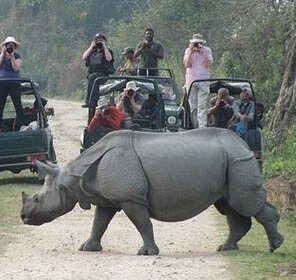
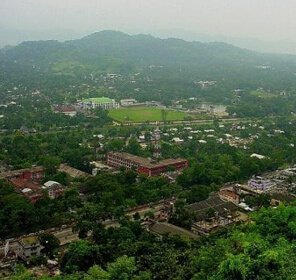
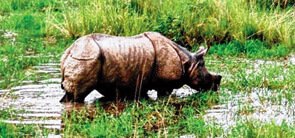
A heady mix of serenity, and spontaneity, Assam hangs on to the rest of the India by a thin chicken neck (Siliguri Corridor). It is a gothic grandeur by the river that begs to be discovered. Located in the far-flung Northeast India, Assam is a part of captivating and iconic seven sisters, which are hard to reach yet their ageless forests and formidable mountain ranges are always on the back of almost every traveler's mind. With 78,440 km2 area, Assam happens to be the second largest state in Northeast India after Arunachal Pradesh. Another thing that best geographically defines Assam is its closeness to the foreign lands like Bangladesh and Bhutan. The state has got an influence of every neighboring state, and country and a devil's own charm. And not to forget the long Brahmaputra, Asia’s mightiest yet most enigmatic river that makes it way through Assam. If tourists' idea of a holiday is relaxing on the river island; treating taste buds with scrumptious food; indulging in shopping spree; going crazy on a wildlife safari; soothing the thirsty spiritual soul by visiting some of the quirky sacred centers then a vacation in Assam is what they've been longing for. From wildlife adventure to sightseeing places to pilgrimage circuit tour, one can enjoy every possible type of holiday in Assam. Some of the best places that one must explore in Assam are Guwahati, Sualkuchi, Hajo, Tezpur, Jorhat, Majuli, Sivasagar, Dibrugarh, Barak Valley. And the iconic Kaziranga National Park, home to the one one horned rhino, it's quite synonymous to Assam tourism.
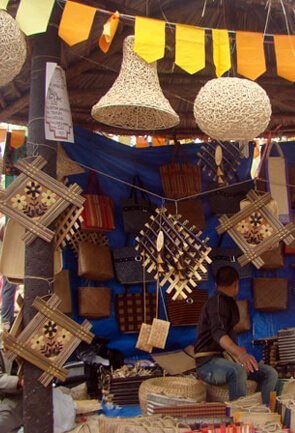
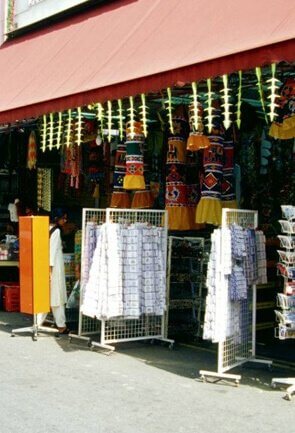
Assam has a diversified background. The state owes its name to the Ahom Dynasty that has ruled over it for quite a long time. One can even see the traces of the state in the books and journals that speak about Aryan, Dravidians, Alpines, Tibetan and Burmese history. Even after so many years, cultures of these dynasties season the culinary aromas on Assam's streets, the often exotic clothing people wear and the music they listen to. An integral part of Assamese culture is its tribal population, mainly the Bodo tribe and Mishing tribe. To get to know the tribes a little better, one should go for a tribal tour in Assam, and make a point to get hands on classy bamboo products like mats, baskets, and handheld fans. Assam is a bespoke shopping destination. The famous Pat silk, Muga silk, Eri silk and Endi cloth of Assam has left its indelible mark not only saree lovers but on the younger generation as well.
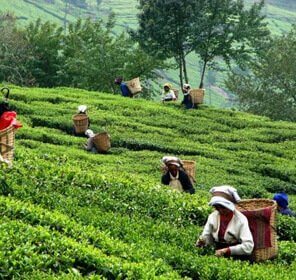
When it comes to the culture, Assamese cuisine is an unmissable treat for the tourists; especially the must try like Machor Tenga, and Duck Roast. In most of the dishes, whether it's vegetarian or non vegetarian, there is enrormous use of herbs such as modhusaleng, pipoli and brahmi. Bhut jolokia. the world's hottest chili, is mainly produced in Assam. Along with the food, Assamese love their tea! Black is as ubiquitous as water, frequently consumed in the mornings and as an afternoon treat. To have that perfect tea times in Assam, one should visit Jorhat and Dibrugarh. At these two tourists places, one can go on a tea tour to admire stunning views of the gardens, sample aromatic, and delicate Assam tea, and even stay in the gardens.
Assam's wave of communal harmony, religious tolerance and peace and tranquil makes it a perfect hub for tourist to get consumed into the culture, and cuisine that revolve around the festival fervour.
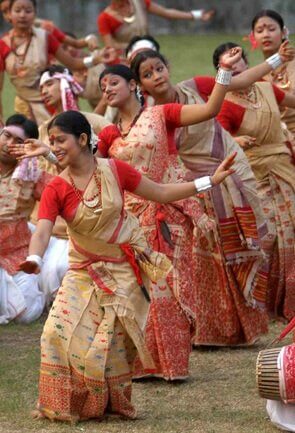
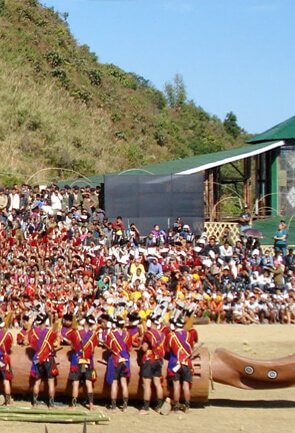
Like other parts of India, Assam to celebrates its festival with zeal and enthusiasm, particularly Bihu, which brings out the best in Assam. Bihu festival in Assam is celebrated three times in a year - Bohag (Baisakh, the middle of April), Magh (the middle of January), and Kaati (Kartik, the middle of October). Apart from Bihu, tourists should attend the various other fairs and festivals of Assam like Majuli Festival, Brahmaputra Beach Festival, Baishagu, Ambubachi Mela, Jonbeel Mela, etc. For an exquisite holiday experience in Assam, one should visit here specially during the festivals.
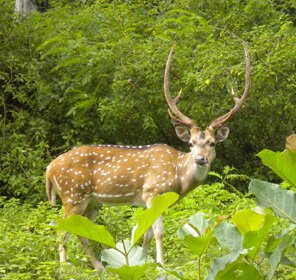
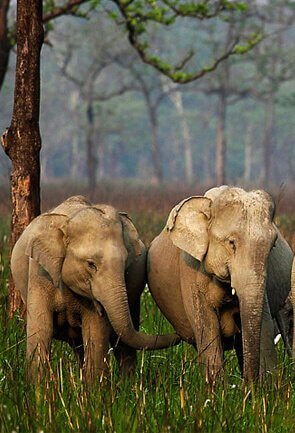
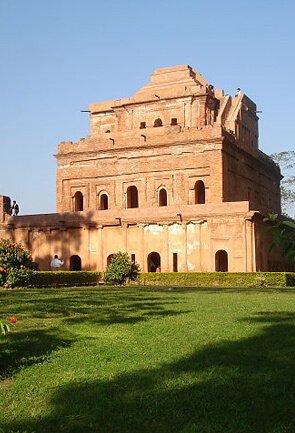
The state seems like a destination for history lovers too. Assam's historical attractions like Sivasagar, Udharband, Barak Valley and Tezpur bespoke the chapters of the past and have stood all test of time. Various historical sites in Assam shares space with the jungles too. Going by the facts, the state has impressive 35% forest cover, some of which are even listed in world heritage sites. The highly acclaimed jungles in Assam are Kaziranga and Manas National Park. These highly acclaimed sites hold a decent population of rhinos, elephants, buffaloes, spectacular birds, and deer.
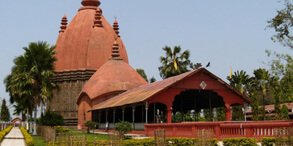
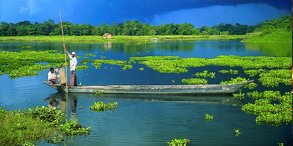
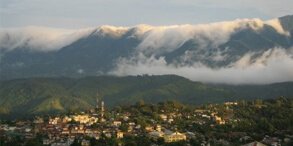
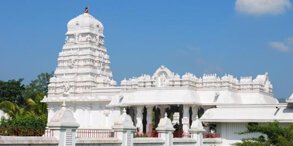
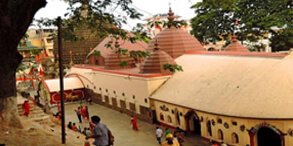
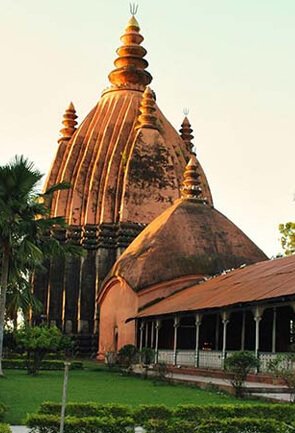
Another triumph part of the Assam tourism is its pilgrimage circuit tour. The state has Tantrik Shaktism, Shivaism and later Vaishnavism flourishing in its lap. On a pilgrimage tour to Assam, do visit the holy shrines like Kamakhya Temple, Kedareswara Temple, Dol Govinda Temple, Asvakranta Temple, Ugra Tara Temple, Maha Bhairav Temple, Tamresveri Temple etc. Satara's are an integral part of the Assam's pilgrimage tour that were set up by the followers of Sankardeva, the proponent of Eksarana Dharma. At Sataras one can see followers performing Assamese dance forms, music, and dance drama. Most of these sataras can be seen in Majuli, which is also the biggest river island in the world. Hazo, the religious centre of three religious beliefs, are a must visit too on a sightseeing tour to Assam. Another introspective side of Assam is its hill station like Haflong, Maibong, Umrangshu, and Diphu. Popular sightseeing places, all these hill stations are brimming with classy attractions that host extravagant adventure activities. For daredevils, River Rafting in Nameri National Park, and mountain biking tour to Silchar Via Shillong is worth a shot.
Nestled in the colossal mountains and deep valley of Himalaya, Assam is an unexplored treasure trove. It has other-worldly charm. And to know more about its natural beauty and its ever so delightful culture, one should consult the travel guide offered by Tour My India. From local secrets to hidden travel gems, the travel guide offers the tiniest detail about what holiday in Assam can be all about.
We, at Tour My India, offers the best deals on Assam holiday packages. From honeymoon to wildlife tour to pilgrimage tour, one gets any, and every type of package from Tour My India. In fact, our travel experts can make a customized packages so that tourists can get the best of Assam in minimum time and at best prices. If one wants to make their holiday the most special and pleasant memory of life, contact the travel experts at Tour My India right away.










 Plan Trip
 Call Us
 Packages
 Home
Home